

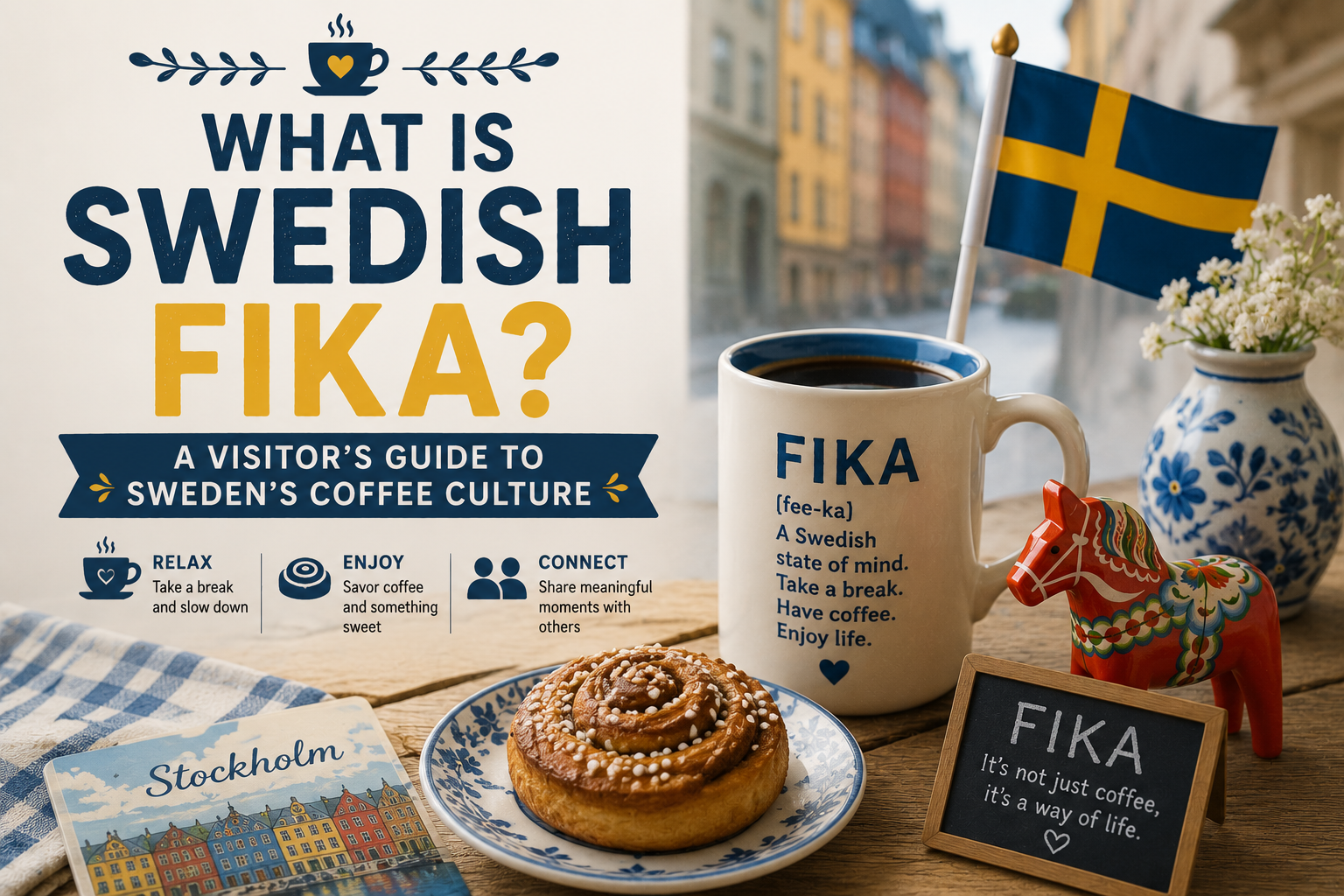
Fika is a Swedish social tradition centred on taking a deliberate break — usually with coffee and something sweet — to slow down and connect with others. It’s less about the caffeine and more about the break itself; Swedes regard fika as a near-mandatory daily ritual rather than an occasional treat.
More Than a Coffee Break
The word ”fika” functions as both a noun and a verb — you can ”have a fika” or simply ”fika” with someone. Unlike grabbing a coffee to go, fika involves sitting down, putting your phone away and giving the moment your full attention. It takes place at home, in offices (many Swedish workplaces schedule fika breaks formally) and, in particular, in cafés.
What’s Usually Served
A proper fika almost always includes a baked treat to go with the coffee:
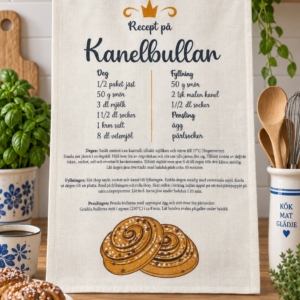
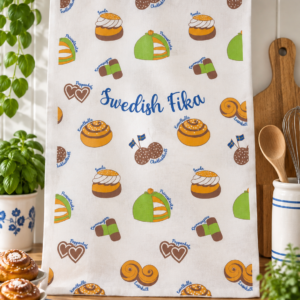
- Cinnamon bun — the classic cinnamon bun, often the centrepiece of any fika spread.
- Cardamom bun — a cardamom bun, which many Swedes consider to be the superior cousin of the cinnamon version.
- Gingerbread biscuits — thin ginger-spiced biscuits, particularly common during the winter holidays.
- Princess cake — a green sponge cake covered in marzipan, more of a special-occasion fika treat.
Coffee is brewed strong and is usually drunk black; Sweden has one of the highest per capita coffee consumption rates in the world, much of which is directly linked to the fika culture.
Where Fika Comes From
The tradition dates back to the 18th and 19th centuries, when coffee — initially a luxury, and at times even briefly banned in Sweden — became widely affordable and became part of everyday social life. The word itself is thought to derive from a 19th-century slang inversion of ”kaffi”, an old word for coffee.
How to Experience Fika as a Visitor
You don’t need an invitation — cafés across Sweden, particularly in historic neighbourhoods that are easy to explore on foot, are built around this very ritual. Order a coffee, choose a pastry, and resist the urge to rush. Sitting for 20–30 minutes is normal; it’s not slow service.
- New

- New
- New
- New
Bringing Fika Home
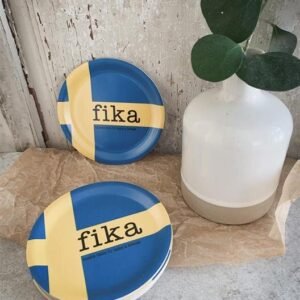
If you want to recreate the ritual after your trip, look for genuine Swedish coffee, cardamom and a simple ceramic mug — the aim isn’t a fancy gift set, but a small daily reminder to actually stop and sit down with someone
The Takeaway
Fika isn’t really about what’s on the table — it’s a cultural licence to take a break. That’s arguably the most exportable souvenir of all.
Note: many traditional fika pastries contain wheat, dairy and nuts — it’s worth checking the ingredients if you have any dietary restrictions.